
Warsh cycle, Part I
Testing “epistemic humility” and the boundaries of the FOMC

The long and short of it
New leaders often face unanticipated challenges that interrupt the long-term plans that motivated them to aspire to the role or that they promised in order to get the job. Since he resigned from the Federal Reserve Board in protest in 2011, Kevin Warsh has campaigned to become its chairman by criticizing the institution’s overreach of both its mandate and balance sheet. While many were surprised at President Trump’s choice of him as Fed chair, given his persistently hawkish tilt and narrow mandate advocacy, it was precisely those views that got him the job (and why I forecast his appointment). Returning the Fed’s focus to monetary policy while slimming down its balance sheet to facilitate bank deregulation are core elements of the Trump agenda.
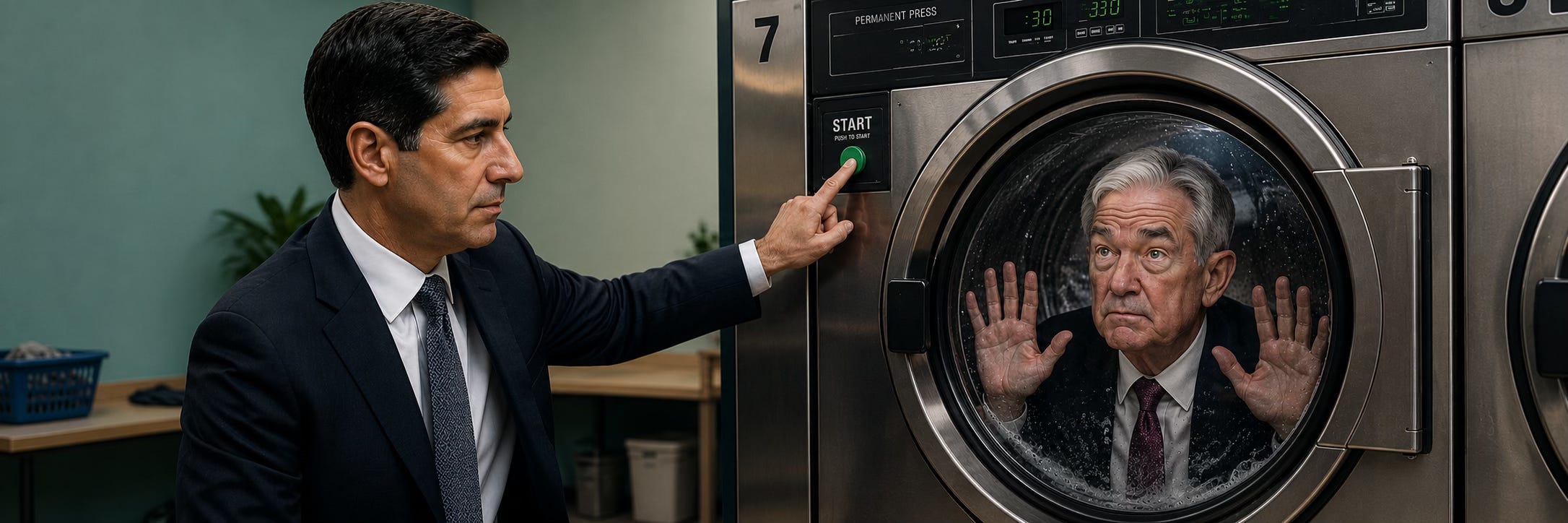
Ironically, it is precisely that narrow mandate that threatens to derail his broader plans. Even before the Iran war raised energy prices and payroll data confirmed the broad-based strength of the economy, inflation was accelerating from more than double the Fed’s target, a target it hadn’t met in over five years. Mr. Warsh’s response to the challenge to Fed credibility is complicated by both internal and external dynamics. Internally, he must navigate the other 18 Federal Open Market Committee (FOMC) members — including its former chairman — who are responsible for the failure. Externally, he must contend with markets’ perception that he is a “sock puppet” of a US president that continues to express his desire for lower interest rates, a worry he fanned with his late embrace of AI-led productivity as a path to lower inflation and policy rates.1
Mr. Warsh’s chairmanship will be defined by his response to this challenge. He must steer a potentially hostile Committee to a clean break with its past policy to restore Fed credibility and simultaneously gain markets’ respect for himself. He must do this without alienating the Committee he needs to achieve his longer-run goals, and ideally, without souring his relationship with the vocal and mercurial president that appointed him. Here in Part I, I will explain the path that I see through that obstacle course. In Part II, I will describe how I expect him to pursue the longer-run goals of balance-sheet downsizing and deregulation.
